
Costa Rica: Where "Pura Vida" Has Deep Roots
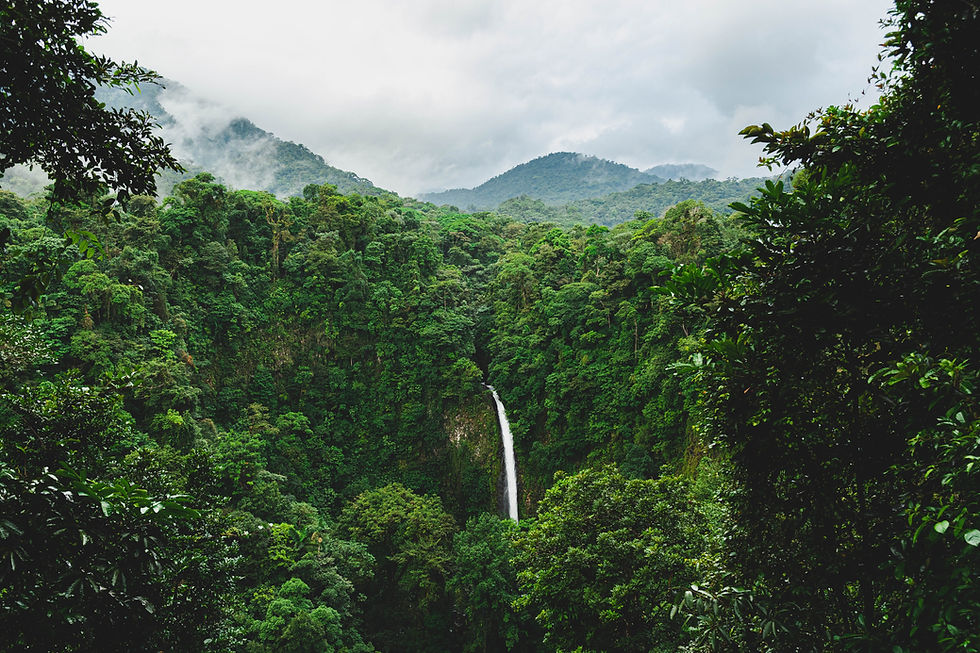
Costa Rica: Where "Pura Vida" Has Deep Roots
Costa Rica, a jewel of Central America, beckons with its breathtaking biodiversity, stunning landscapes, and the infectious "pura vida" lifestyle. But beyond its natural wonders lies a fascinating history that has shaped this peaceful and progressive nation. For the curious traveler, understanding Costa Rica's past adds another layer of appreciation to its present-day charm.
Unlike many of its neighbors, Costa Rica's pre-Columbian history is characterized by smaller, less centralized indigenous groups. Archaeological evidence reveals settlements dating back thousands of years, with influences from both Mesoamerican and South American cultures. These early inhabitants left behind intriguing artifacts, including pottery, jade carvings, and stone spheres, offering glimpses into their complex societies and beliefs.
The arrival of Christopher Columbus in 1502 marked the beginning of the colonial era. However, the Spanish found little gold or readily exploitable labor, leading to a relatively slow and less impactful colonization compared to other parts of the Americas. This lack of vast wealth also meant a smaller influx of Spanish settlers, fostering a more egalitarian society.
The colonial period saw the development of small agricultural communities, primarily focused on subsistence farming. Cartago served as the first capital, and life revolved around the central valley's fertile lands. This relative isolation and the focus on agriculture laid the groundwork for Costa Rica's distinct identity.
Independence from Spain came peacefully in 1821, initially as part of a short-lived Mexican Empire and then the United Provinces of Central America. Costa Rica eventually declared its full sovereignty in 1838. The 19th century witnessed the rise of coffee as a major export crop, significantly shaping the country's economy and social structure. This era also saw the gradual development of democratic institutions.
A pivotal moment in Costa Rican history was the abolition of the army in 1949. Following a brief but impactful civil war, the government made the bold decision to invest in education and healthcare instead of a standing military. This commitment to peace and social development has become a defining characteristic of the nation.
Today, Costa Rica stands as a beacon of stability and environmental stewardship. Its dedication to preserving its natural heritage has made it a world leader in ecotourism. As you explore its rainforests, volcanoes, and beaches, take a moment to appreciate the historical journey that has led to this remarkable country – a place where "pura vida" is not just a saying, but a way of life deeply rooted in its unique past.


Comments